
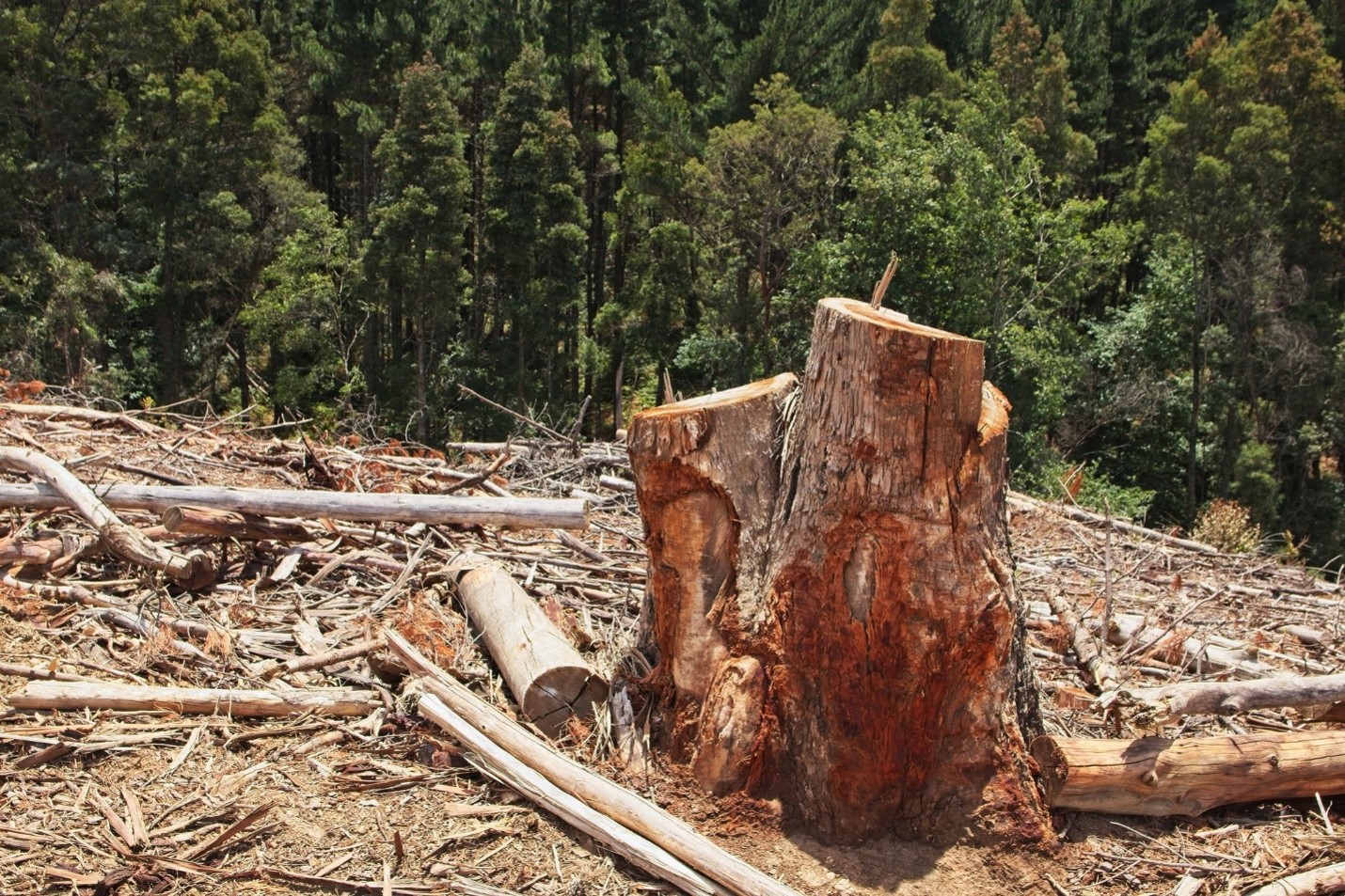
A retaining wall that was perfectly straight two years ago is now bulging outward by almost three centimeters. The owner blamed poor drainage. A tree stump sits less than a meter away, quietly pushing roots through the soil behind the wall. This is more common across Melbourne properties than most people realise, and it’s exactly why tree stump removal Melbourne has become such a talked-about topic among landscapers and builders lately.
Stumps look harmless once the tree is gone. No leaves, no branches, nothing dramatic happening above ground. But underneath, the story is completely different. Roots don’t just stop growing the moment a chainsaw finishes its job. Some keep expanding for years, especially with species like eucalyptus, elm, or willow, all of which are everywhere in Melbourne backyards.
This blog breaks down how stumps actually affect retaining walls, what warning signs to watch for, and why leaving that old stump alone might cost more than expected down the track.
Why Old Stumps Are Sneakier Than They Look
A stump doesn’t die the second the trunk is cut. The root system underneath can stay alive for a surprisingly long time, drawing whatever moisture and nutrients it can find. And roots have one job: spread out and find resources. If a retaining wall happens to be in the way, the roots don’t care. They’ll grow around it, under it, or straight into any small crack they find.
Retaining walls rely on stable, evenly distributed soil pressure to stay upright. Once roots start weaving through that soil, they change how water moves and how the ground settles. That’s when problems creep in.
The Three Main Ways Stumps Cause Wall Damage

- Root expansion pressure
Roots thicken as they grow. A root that started as a thin finger can become several centimeters wide within a few years. That growth applies constant, slow pressure against anything nearby, including block walls, timber sleepers, or even concrete.
- Soil disruption and erosion
Decaying stumps create air pockets underground as the wood breaks down. This changes soil density unevenly, which can lead to subsidence right behind a wall. Once that happens, the wall loses the uniform support it needs.
- Drainage interference
Roots often grow directly into drainage pipes or agricultural drains installed behind retaining walls. Blocked drainage means water builds up, and trapped water is one of the fastest ways to cause a retaining wall to fail. Victoria’s clay-heavy soils make this even worse because they expand and contract dramatically with moisture changes.
Real Scenarios Melbourne Properties Deal With
A property in Bentleigh had a low retaining wall along the side fence. The homeowner noticed a small lean starting about eighteen months after a large gum tree was removed, but the stump removal melbourne was left in place to save money. By the time an arborist inspected it, roots had grown directly beneath the wall’s footing, lifting one section by nearly four centimeters.
Another common case shows up in older Melbourne suburbs like Coburg or Preston, where retaining walls were built decades ago using timber sleepers. Timber is far more vulnerable to root pressure than concrete, and homeowners often assume termites are the issue when it’s actually root expansion pushing sleepers out of alignment.
These aren’t rare, freak situations. Arborists and landscapers across Melbourne report similar patterns regularly, particularly on properties with mature trees planted close to boundary walls.
Warning Signs Your Stump Might Be Affecting a Nearby Wall
Catching early signs saves money and stress later. Watch for these:
- Small cracks appear near the base or joints of the wall
- Sections of the wall are leaning, bulging, or shifting slightly out of line
- Damp patches or pooling water that wasn’t there before
- Soil sinking or forming shallow dips near the stump
- Visible roots breaking through the soil surface close to the wall
None of this alone means disaster is coming. But together, or if they’re getting worse over a few months, it’s worth getting a proper inspection rather than hoping it settles down on its own.
Why Removal Matters More Than People Think

Grinding a stump down to ground level often isn’t enough when a retaining wall is nearby. Grinding removes the visible portion, but the roots underneath usually stay intact and continue causing problems for years unless the whole root system is properly addressed.
This is where stump removal Melbourne services differ from a simple mow-and-tidy job. Full removal takes out the stump and its major root structure, which stops that ongoing pressure against nearby structures. It also allows proper backfilling with compacted soil, restoring the stable base that a retaining wall actually needs to function correctly.
Melbourne tree stump removal specialists typically assess root direction and depth before recommending a method, because pulling a stump out carelessly near a wall can do just as much damage as leaving it there. Professional equipment and experience matter here, not just brute force.
What Homeowners Can Do Right Now
A quick, practical checklist for anyone unsure about a stump near their retaining wall:
- Measure the distance between the stump and the wall (anything under two metres deserves closer attention)
- Look for any visible root growth along the wall’s base
- Check for new cracks, gaps, or uneven sections compared to previous months
- Get a professional stump and soil assessment before assuming it’s fine
Waiting rarely helps. Root systems don’t shrink. They either stay dormant for a while or keep expanding, and there’s no easy way to predict which one will happen without an inspection.
Conclusion
Retaining walls and tree stumps might seem like they belong in completely separate conversations, but soil doesn’t work that way. Everything underground is connected, and a stump left in the wrong spot can quietly undo years of structural work behind a wall.
The safest approach is simple: if a stump sits anywhere near a retaining wall, get it checked properly rather than guessing. Catching root interference early is far cheaper than rebuilding a section of collapsed wall later.
For anyone dealing with this exact situation, Melbourne Stump Removals handles assessments and full removals with an eye on protecting nearby structures, not just clearing the yard.
FAQs
How close does a tree stump need to be to damage a retaining wall?
Generally, anything within two metres carries some risk, though this depends on tree species, soil type, and root aggressiveness. Larger species like gums or elms can extend roots well beyond that distance.
Is stump grinding enough to protect a retaining wall, or is full removal necessary?
Grinding removes the visible stump but usually leaves major roots intact underground. Where a retaining wall is nearby, full removal is often the safer long-term option.
How long does it take for stump roots to actually affect a wall?
It varies, but noticeable shifts can appear anywhere from one to three years after the tree was cut, depending on soil moisture, tree species, and how close the roots were to begin with.
Can I remove a stump myself if it’s near a retaining wall?
It’s not recommended. DIY removal near structural walls can accidentally destabilise the soil further. Professional stump removal services assess root direction first to avoid causing extra damage during the process.

Leave A Comment