
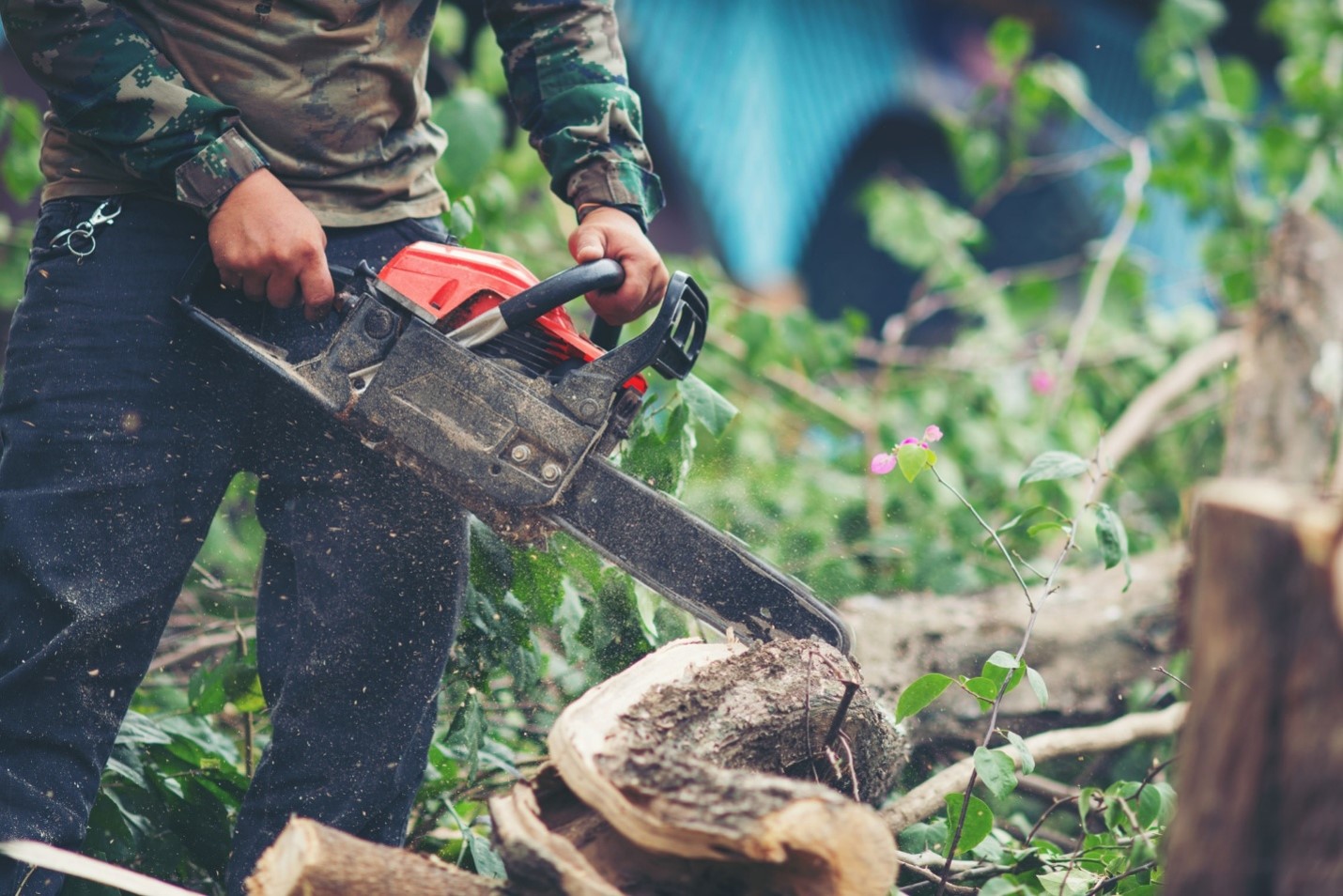
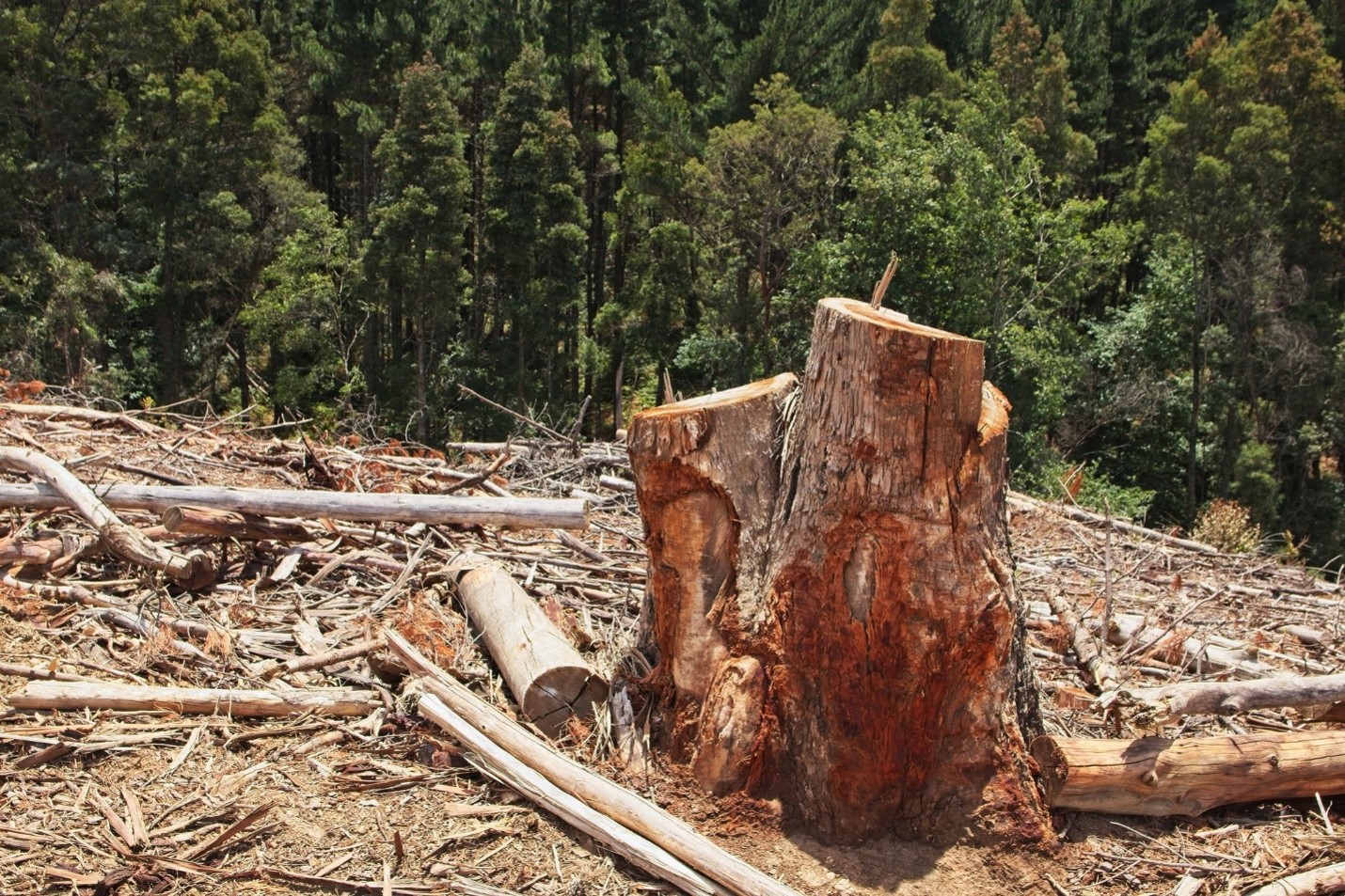
A backyard with a fresh stump sitting in the middle of it looks a bit like a bad haircut. Something’s missing, and the ground just looks off. Here’s a stat that surprises most homeowners: the wood chips from a single medium tree can produce enough mulch to cover a garden bed for an entire season. That’s not a small thing. If you have recently had work done through tree mulching services Melbourne, or you are planning a removal soon, this piece will walk you through why mulch matters, what actually happens underground after a stump disappears, and how to turn what feels like a mess into something your garden genuinely benefits from.
What Actually Happens to a Garden After a Tree Comes Down
Removing a tree is not just about the trunk disappearing. There’s a whole ecosystem under the surface that gets disturbed. Roots that once pulled water and nutrients through the soil are suddenly gone or grinding down, and the soil structure around that space starts to shift.
Homeowners often assume the job is finished once the tree is down and the stump is ground out. It isn’t, really. What’s left behind, the soil, the leftover roots, the open patch of dirt, needs some kind of follow-up care. Otherwise, you end up with compacted soil, patchy grass, or a bare spot that weeds find irresistible. This is where mulching earns its keep.
Why Mulch Matters More Than People Think
The Soil Underneath Is Doing More Work Than You Realise
Underneath a layer of mulch, soil temperature stays more stable, moisture doesn’t evaporate as fast, and microbial activity, the stuff that keeps soil alive and fertile, gets a bit of a boost. Arborists in Melbourne often mention this to clients after tree removals because the freshly disturbed soil around a stump site is particularly vulnerable to drying out or eroding during our hotter months.
A CSIRO soil health report from a few years back noted that mulched soil retained close to 20 to 30 per cent more moisture compared to bare soil exposed to similar conditions. That’s a meaningful difference, especially with Melbourne’s unpredictable summers, where one week is mild, and the next is a stretch of 35-degree days.
From Stump to Soil: Turning Waste Into Something Useful

The part that a lot of people do not realise until someone explains it to them properly. When a stump gets ground down, what’s left is not rubbish. It’s raw material.
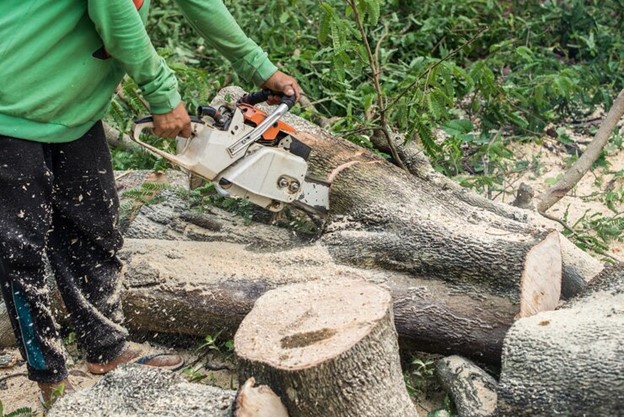
The wood chips produced during grinding can be repurposed directly into garden mulch. Rather than trucking away debris and buying mulch separately from a hardware store, many tree removals melbourne now include an option to leave the ground material on site or have it processed and redistributed across garden beds.
It’s a small shift, but it changes the whole equation. Instead of removal being the end of the story, it becomes the start of feeding the garden back.
Benefits of using leftover mulch from stump grinding include:
- Cost savings on buying separate mulch or garden bark
- Better moisture retention for garden beds and new plantings
- Weed suppression without needing chemical sprays
- Improved soil texture over time as the mulch breaks down
- Reduced waste since the material doesn’t need to be trucked off-site
That last point matters more than people give it credit for. A lot of tip fees and transport costs get built into tree removal quotes, and reusing the mulch on site can actually bring the overall job cost down.
A Real-World Example Worth Mentioning
A client in Camberwell had a large gum removed after storm damage cracked one of its main limbs. The stump was ground down, and instead of hauling the chips away, the team spread them across two garden beds that had been struggling with dry, compacted clay soil. Six months later, those beds were holding moisture noticeably better, and the owner reported barely any weed growth compared to the untouched sections of the yard.
That’s not an unusual outcome. It’s just what happens when the by-product of removal gets treated as a resource instead of rubbish.
What Good Tree and Stump Removal Experts Actually Do Differently

Not every provider handles this part well. Some treat mulching as an afterthought, or don’t offer it at all, which means homeowners are left with a pile of chips they don’t know what to do with, or worse, bare dirt and no plan.
Tree and stump removal experts who actually know their craft will usually walk you through a few things before the job even starts:
- What condition is the soil likely to be in afterwards
- Whether the timber and root material is suitable for reuse as mulch
- How deep does the grinding need to go if replanting is on the cards
- What kind of aftercare will the garden bed need in the following weeks
It’s this level of detail that separates a rushed job from one that actually leaves your garden better off than before.
How to Mulch a Garden Properly After Removal
Once the stump is gone and mulch is available, spreading it correctly makes a real difference. A layer that’s too thin won’t do much, and one that’s piled too high against tree trunks or plant stems can actually cause rot.
A general rule that arborists tend to recommend is a mulch depth of around 5 to 8 centimeters, spread evenly, kept a few centimeters clear of any stems or trunks nearby. Watering the area lightly after spreading helps it settle and start breaking down naturally rather than sitting on top like a dry crust.
It sounds simple, and honestly, it mostly is. The mistake most people make is either skipping this step entirely or piling mulch too thick in one spot because it feels like less effort than spreading it properly.
Why This Matters More with Melbourne’s Climate
Melbourne’s weather swings between dry heat and sudden rain more than most cities of its size. That inconsistency is exactly why mulch does so much heavy lifting here. It buffers soil against both extremes, holding moisture during dry stretches and preventing erosion during heavier rain.
Anyone who’s dealt with tree removals in Melbourne knows the aftermath isn’t always predictable either. Root systems vary, soil types shift block to block, and what worked for a neighbour’s yard might not behave the same way in yours, which is exactly why the mulching step shouldn’t be treated as optional or generic.
Conclusion
A stump disappearing from your yard isn’t really the end of the job; it’s more like the halfway point. What happens to the soil and leftover material afterwards decides whether your garden bounces back stronger or just sits there looking patchy for months. Mulch, when it’s done properly, turns removal waste into something your garden can actually use: better moisture retention, fewer weeds, and soil that recovers faster than if it were left bare.
If you’re planning a removal soon, it’s worth asking upfront how the leftover material will be handled. That one conversation can be the difference between a tidy job and a garden that actually thrives afterwards. Melbourne Stump Removals handles this exact process daily, and it’s a small detail that makes a noticeably bigger difference over time.
FAQs
Can mulch from stump grinding actually be reused in my garden?
Yes. Wood chips from stump grinding can be spread directly onto garden beds once they’re broken down slightly, offering natural weed suppression and improved moisture retention without extra cost.
How soon after tree removal should mulching be done?
Ideally within a few days. Freshly disturbed soil is more prone to drying out or eroding, so getting mulch down early helps stabilise the area before weeds take hold.
Do tree removals in Melbourne always include mulching as part of the service?
Not always. It depends on the provider. Some include it as standard, others treat it as an add-on, so it’s worth asking directly when getting quotes.
How thick should mulch be spread after a stump is removed?
Around 5 to 8 centimeters is generally recommended, kept slightly clear of any nearby plant stems or trunks to avoid rot.

Leave A Comment