
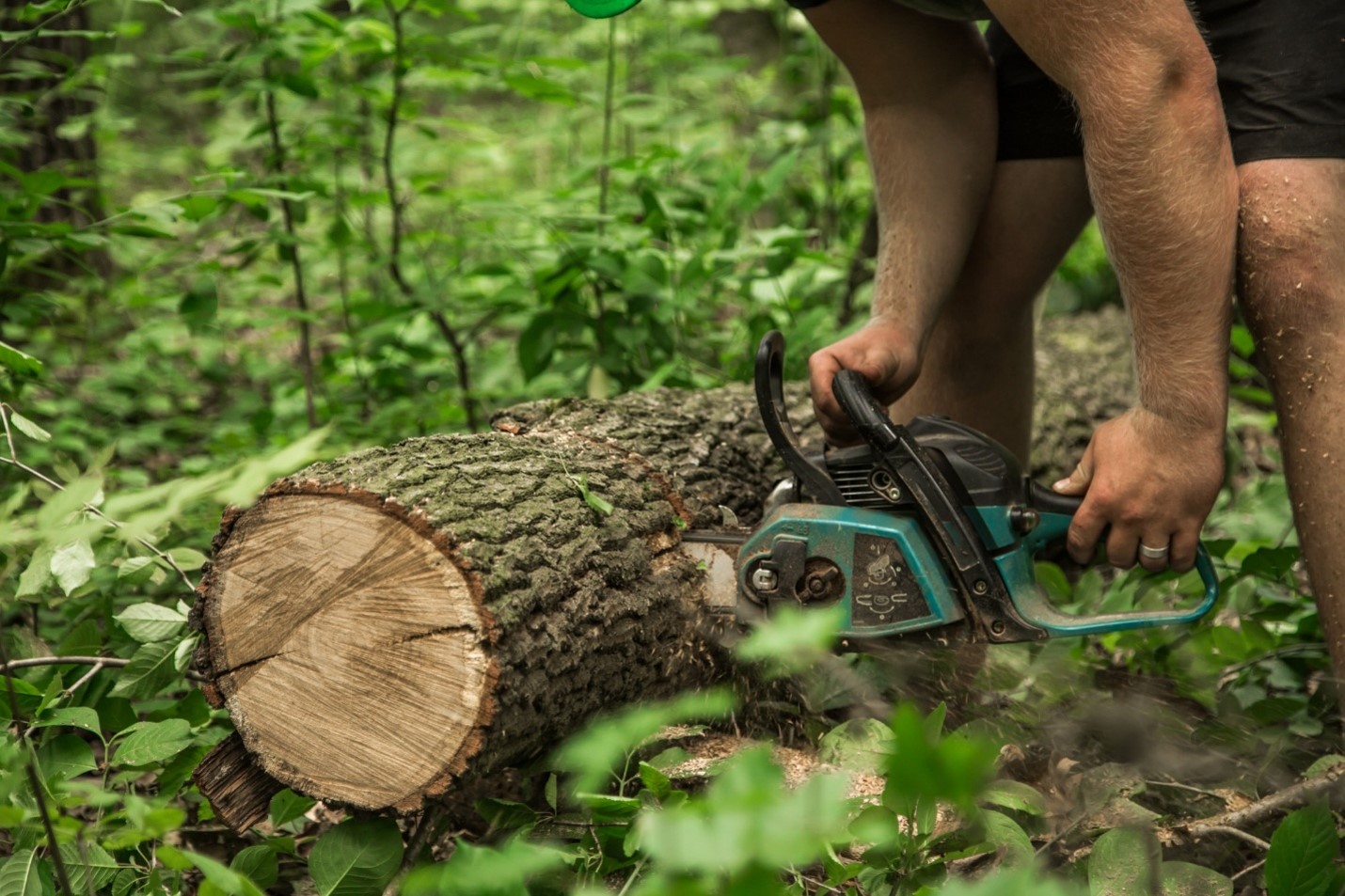
A stump can sit in a backyard for years. Nobody plans it that way. A tree comes down after a storm, or a landscaper cuts it back, and then life gets busy, and that ugly wooden lump just stays there, tripping up kids and mowers and dinner party guests alike. Most homeowners do not realise how much has changed in the way that a stump actually gets dealt with. Stump grinding Melbourne services today look nothing like they did even ten years ago, and the equipment behind that shift is the real story.
This blog walks through what’s actually changed in stump grinding technology, why it matters for the average homeowner, and what to look for if you are hiring someone to handle the job. No jargon overload, just the practical stuff.
Why Old Stump Removal Methods Fell Out of Favour
For decades, getting rid of a stump meant one of two rough options. Dig it out by hand, which took hours and left a crater in the yard. Or burn it, which came with fire risk, smoke complaints, and often a half-charred stump that still needed digging out anyway.
Chemical rotting agents were the third option, and they worked, technically. The catch was time. Weeks, sometimes months, before the wood softened enough to break apart. Not exactly useful when you want your garden back this weekend.
Grinding changed the equation. Instead of removing the whole root system, a machine simply chews the stump down below ground level. Quicker, less invasive, and the site is usable again almost immediately.
What Modern Stump Grinding Machines Actually Do Differently
The grinders being used on job sites now are a different beast compared to older models. A few things stand out. Cutting wheel design. Older grinders used fewer, larger teeth that chewed slowly and kicked out big chunks of debris. Newer wheels use more teeth arranged in a spiral pattern, which cuts more smoothly and produces finer mulch instead of chunky splinters.
Compact, self-propelled units. A lot of the newer machines are narrow enough to fit through a standard side gate. That matters more than people expect, because plenty of stumps sit in tight backyard corners that old towed equipment simply couldn’t reach.
Depth control. Hydraulic depth adjustment lets an operator grind a stump anywhere from just below the surface to well over 30cm down, depending on whether the area is being replanted or paved over.
Dust and debris management. Some newer models include better shielding and directional chip flow, which keeps mulch contained rather than scattered across a garden bed or driveway.
None of this is flashy. It’s incremental engineering. But stacked together, those improvements are why a job that once took half a day now often wraps up in under an hour.
The Efficiency Angle: Time, Cost, and Site Impact
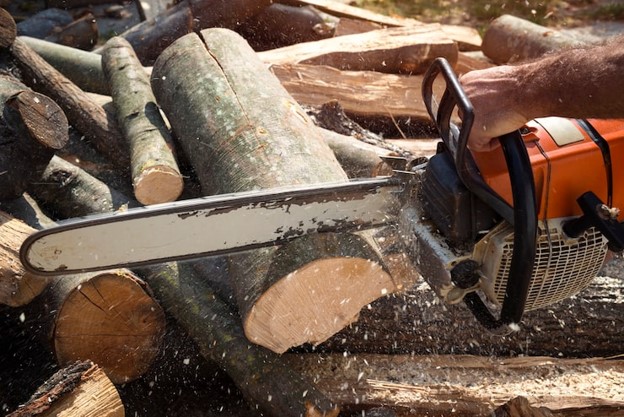
Faster equipment is not just a bragging point. It changes the actual economics of the job. A 2023 industry report from the Tree Care Industry Association noted that improved grinder efficiency has shortened average residential job times by roughly 30 to 40 per cent compared to machines from the early 2010s. That’s not a huge stretch to believe once you have watched a modern grinder work through a stump that would have taken an old towable unit twice as long.
Shorter job times mean lower labour costs, which are usually passed down as more competitive pricing for stump grinding services Melbourne residents are comparing. It also means less disruption. Fewer hours of noise, less time with machinery blocking a driveway, and a faster turnaround before the area can be reused.
There’s also the environmental side. Grinding turns the stump into mulch on site, which many contractors now offer to leave behind for garden use rather than hauling it away as waste. Less transport, less landfill, more practical reuse. Small thing, but it adds up across hundreds of jobs a year.
What This Means When You Are Hiring Someone
If you are searching for stump grinding contractors near me, the equipment they use is actually a fair filter for judging quality. A contractor running a decade-old towable grinder is going to take longer, leave a rougher finish, and probably struggle in a tight backyard. One running a modern, narrow, hydraulic unit will usually finish quicker and leave a cleaner result.
A few practical questions worth asking before booking anyone:
- Can the machine fit through your side access or gate width
- How deep can they grind, and does that match your plans for the space (turf, paving, replanting)
- What happens to the mulch? Is it left on site or removed
- Are they insured for property damage, since grinders do occasionally throw debris
These are not trick questions. Any experienced operator should answer them without hesitation. If someone dodges the depth or insurance question, that’s worth noting.
A Quick Real-World Example

One case that comes up often in the industry involves older properties in inner suburbs, tight blocks with narrow side passages and established gardens close to the stump. A large stump close to a fence line used to mean partial hand digging just to get equipment in position. With a compact grinder that fits through a standard gate, that same job becomes straightforward, and the risk of damaging nearby garden beds drops significantly. It’s a small example, but it captures why equipment choice actually matters on the ground, not just on a spec sheet.
Where the Technology Is Heading
Grinding equipment is not done evolving. A few trends worth watching:
Battery-electric grinders are starting to appear, aimed at reducing noise and emissions for suburban jobs where quieter operation is a selling point. They’re not yet as powerful as diesel units for very large stumps, but for typical residential jobs, they are closing the gap fast.
Remote-controlled units are also becoming more common on commercial sites, letting an operator stand well clear of the machine while it works, which is a genuine safety upgrade.
None of these changes the basic idea. Grind the stump down, clear the space, move on. But the tools getting there keep getting smarter, faster, and a bit safer for everyone involved.
Conclusion
Stump grinding has quietly become one of those services where the equipment really does make the difference between a frustrating half-day job and a quick, tidy fix. Better cutting wheels, tighter machines, depth control, and cleaner debris handling all add up to faster turnarounds and less mess left behind. For anyone comparing quotes, asking about the actual machine being used is not overkill, it’s a reasonable way to judge who’s going to do the job properly.
Melbourne Stump Removals keeps up with these equipment changes so that every job, big backyard or tight side alley, gets handled quickly and cleanly.
FAQs
How long does professional stump grinding in Melbourne usually take?
Most residential stumps take between 30 minutes and a couple of hours, depending on size, root spread, and site access. Larger or multiple stumps may take longer.
Is stump grinding better than full stump removal?
For most homes, yes. Grinding is faster, cheaper, and less disruptive to the surrounding garden. Full removal is usually only needed for construction sites or diseased stumps that require the entire root system taken out.
What should I look for when comparing stump grinding contractors near me?
Check their equipment size and depth capability, ask whether mulch is left or removed, and confirm they carry public liability insurance in case of accidental property damage.
Can stump grinding damage nearby pipes or structures?
Experienced operators check for underground utilities before starting and adjust grinding depth accordingly. Reputable stump grinding services in Melbourne should always confirm this step before beginning work.

Leave A Comment