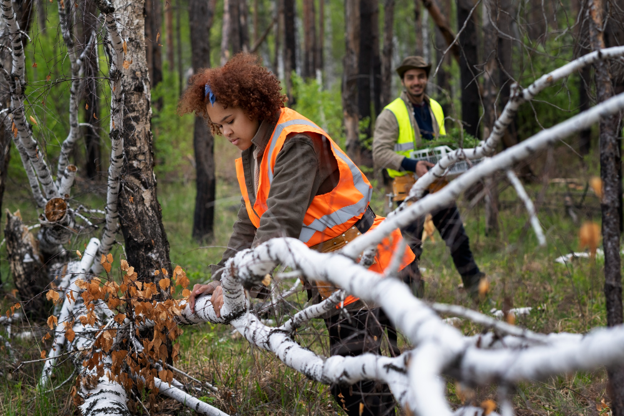
Every single week, Melbourne weather serves up something wild. One day it is a scorching north wind baking the suburbs, and the next, a sudden storm is tearing through backyard gum trees. Local homeowners often look out at a massive, overhanging branch after a storm and wonder if they need a tree lopping service Melbourne team to come out immediately, or if the whole thing has to be cut down to the stump.
It is easy to get confused by the industry jargon. Property owners frequently mistake tree cutting, pruning, and complete dismantling for the same thing. This blog breaks down exactly what lopping actually means, when your property requires it, and how it differs from a complete teardown.
What is Tree Lopping Anyway?
Lopping is a specific, heavy-duty method of cutting back trees. Unlike delicate pruning, which focuses on thin branches to help fruit growth, lopping involves removing large, major sections of a tree. It often means cutting off the top vertical stem or shearing away massive side limbs that have grown too close to power lines or roof tiles.
Urban arborists use this method to reshape a tree that has grown completely out of control. It is a bit like a drastic haircut for a backyard giant. The main goal is to reduce the physical size of the crown quickly so it stops interfering with buildings, fences, or public pathways.
When Does Your Property Need Lopping?
Trees do not give warnings before they break, but they do leave clues. Knowing when to call in the professionals saves thousands of dollars in structural roof repairs.
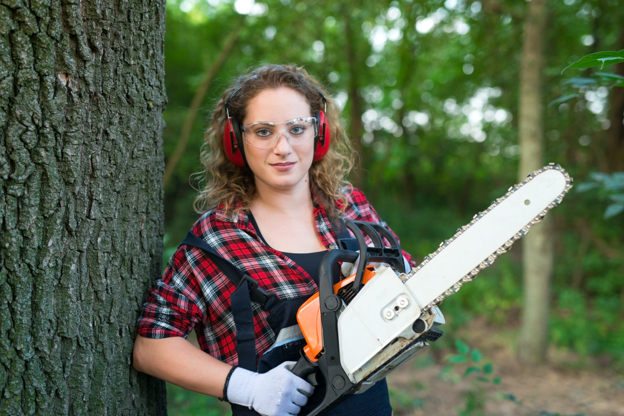
Here are the most common situations where reducing a tree’s size becomes necessary:
- Clearing Service Lines: Branches growing into overhead power lines create a massive fire hazard during hot Victorian summers.
- Structural Imbalance: A tree that leans heavily to one side after a storm puts uneven pressure on its root system.
- Dead Wood Hazards: Large, heavy limbs that have lost their bark can snap without warning on a windy afternoon.
- Encroaching Property Boundaries: Massive limbs extending over a neighbour’s pool or roof often violate local council space regulations.
Lopping vs. Tree Removals Melbourne: The Main Differences
The biggest difference comes down to whether the trunk stays or goes. Lopping keeps the main trunk alive and rooted in the soil, focusing entirely on modifying the upper canopy. The tree removals Melbourne part of your garden landscape, just in a much smaller, safer, and more manageable shape.
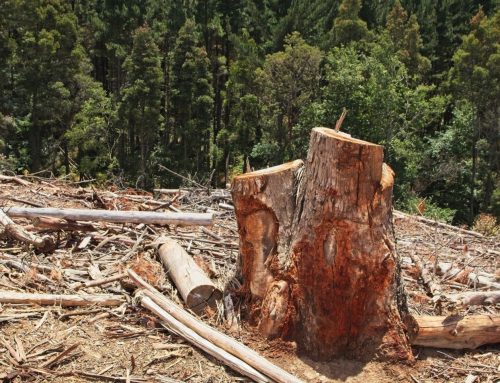
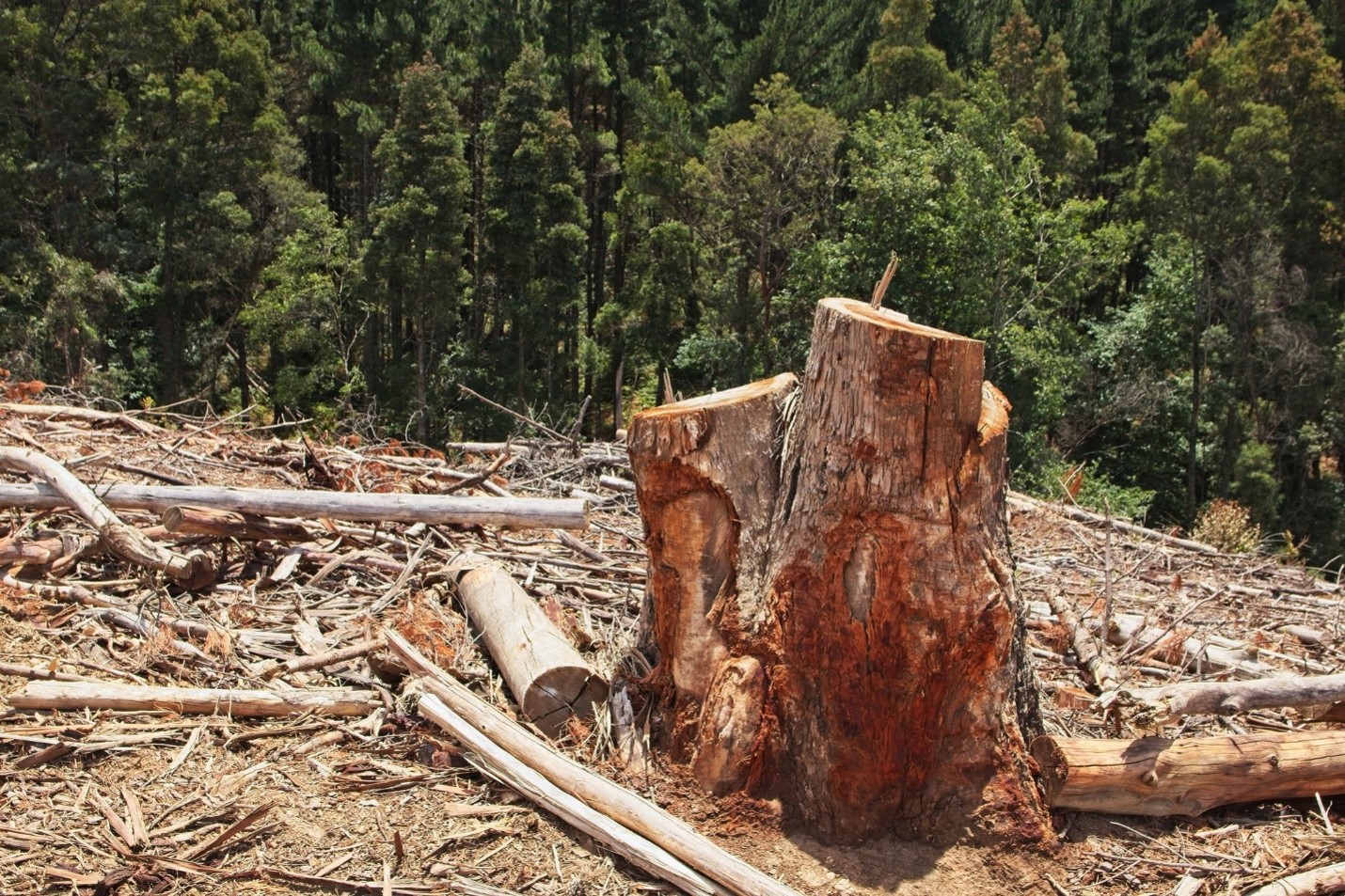
On the flip side, full tree removal services mean the entire living structure is taken away. This involves cutting the tree down to a low stump near ground level. Complete removal is usually reserved for specimens that are structurally hollow, completely dead, or actively lifting concrete driveways and house foundations with their roots.
The Crucial Need for Urgent Tree Removal Melbourne
Sometimes you cannot wait for a standard weekday booking. When a wild southern storm sweeps through Victoria, it leaves behind unstable situations that require an urgent tree removal Melbourne crew to handle. A half-snapped trunk resting against a bedroom window or a massive branch hanging by a thread over a public footpath is a ticking time bomb.
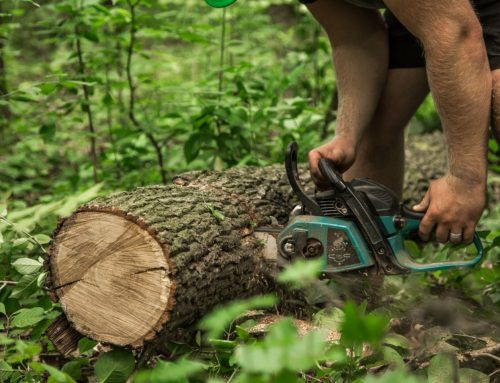
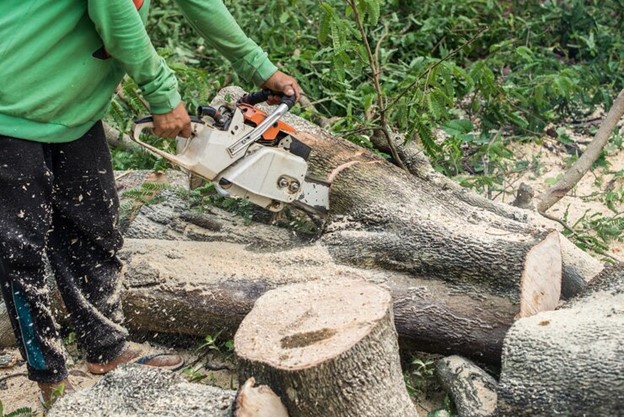
Emergencies require specialised rigging gear and heavy machinery to stabilise the weight before any cutting begins. Trying to handle a storm-damaged tree with a basic backyard chainsaw is incredibly risky because the wood is under intense physical tension and can snap back unexpectedly.
How Local Council Rules Impact Your Garden
You cannot just walk into your backyard and start chopping away at significant canopy trees. Melbourne councils are famously strict about protecting the urban forest. Most local government areas have significant landscape overlays or vegetation protection orders in place.
Cutting down or drastically reducing the size of a protected native tree without a council permit can result in thousands of dollars in fines. A qualified arborist can assess the health of your tree and help navigate the local council paperwork to ensure everything stays completely legal.
Conclusion
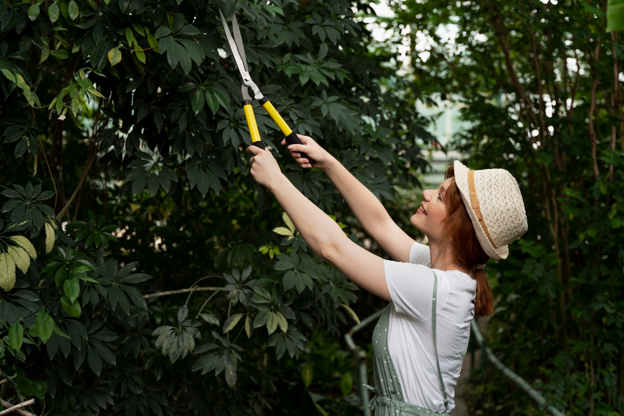
Managing large trees requires a balance between safety and conservation. Lopping modifies the upper canopy to remove immediate hazards while keeping the tree alive. Complete removal takes the entire structure down to the ground when a tree is dead, diseased, or destroying plumbing lines. When storm damage creates an immediate threat, emergency crews must be called to secure the area safely.
For reliable assessments and expert care, Melbourne Stump Removal provides professional solutions to keep local backyards safe and tidy all year round.
Frequently Asked Questions
Can a tree survive after a major lopping service?
Yes, most hardy species survive the process quite well. However, because large wounds are left open, the tree requires proper monitoring to ensure pests and fungal infections do not settle into the cut limbs.
How much does a tree lopping service melbourne cost on average?
Prices vary significantly based on the height of the tree, its proximity to power lines, and how easy it is to access with heavy machinery. A small backyard tree will cost much less than a massive, multi-trunk gum tree wedged between two houses.
When should I choose tree removals melbourne over simple trimming?
Complete removal is the right choice if the main trunk is hollow, more than half of the canopy is completely dead, or the root system is lifting up your home’s concrete foundations or cracking underground sewer pipes.
What counts as an urgent tree removal melbourne situation?
Any scenario where a tree or large branch is actively leaning on a house, blocking a main driveway, hanging precariously over power lines, or showing deep structural cracks in the main trunk after a major storm event.

Leave A Comment